Cable-Free in 2026: The Ultimate Guide to Cutting the Cord and Saving Big.
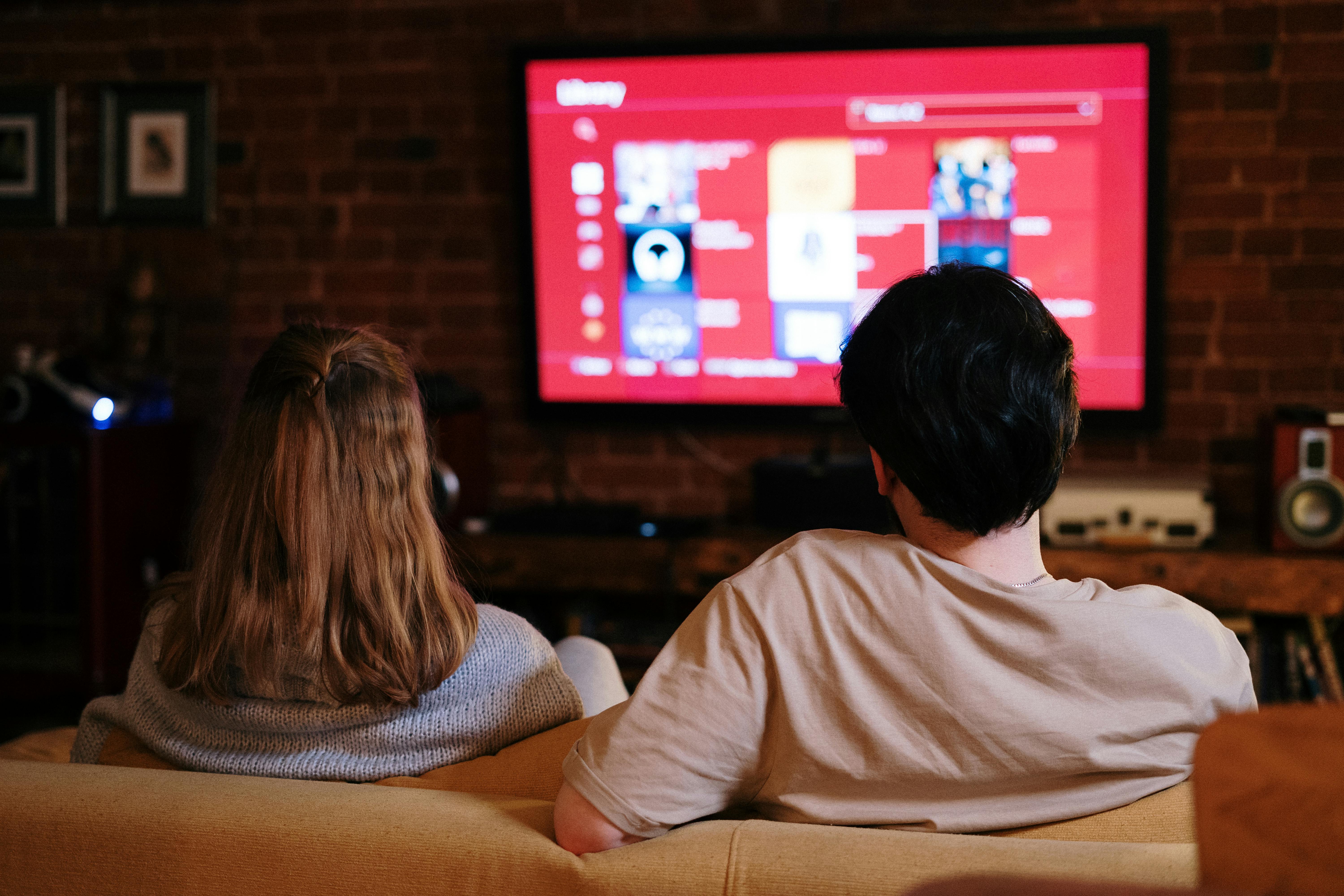
By 2026, over 80.7 million U.S. households are using non-pay TV services, officially outnumbering the 68.7 million homes still paying for traditional cable.
The shift away from cable is no longer a niche trend; it's how the majority of Americans watch television. The primary reason is simple: price. With the average cable bill soaring to $107 per month, families are looking for smarter ways to stay entertained without breaking their budget.
This guide is your roadmap to joining them. We will walk you through the new world of television, showing you how to replace your expensive cable package with affordable, flexible options. You can save over $1,000 a year without giving up the live news, sports, and favorite shows you love.
Who this guide is for
- Families feeling overwhelmed by a monthly cable bill that constantly increases.
- Individuals who want to stop paying for hundreds of channels they never watch.
- Renters or homeowners looking to lower their household expenses and build savings.
- Anyone confused by the number of streaming options and in need of a simple plan.
The Real Reason Your Cable Bill Is So High
The number one reason people cut the cord is cost. A stunning 86.7% of former cable subscribers made the switch to save money. Since 2012, cable providers have lost 25 million subscribers, as families grow tired of paying for a service that gets more expensive every year.
The problem is not just the advertised price. Hidden fees are a major factor driving up costs. For example, broadcast TV fees, which cable companies charge you to carry free, over-the-air local channels, have climbed to an average of $21.48 per month.
This single fee can add over $250 to your annual bill. When you combine the base price with these extra charges, the total cost becomes unsustainable for many households. The good news is that cutting the cord can put that money back in your pocket.
Experts estimate the average cord-cutter saves around $1,000 annually.
A New Era: Understanding Cord-Cutting 2.0
In the past, cutting the cord meant keeping your internet service from the cable company and adding a few streaming apps. Today, a more powerful movement called "Cord-Cutting 2.0" is taking hold. This is the practice of ditching the cable company entirely, for both TV and internet.
How is this possible? The rise of high-speed 5G home internet from providers like T-Mobile and AT&T. In a single three-month period in 2025, these companies added 776,000 new home internet customers. Families are discovering they can get fast, reliable internet for streaming without being locked into an expensive bundle from their old cable provider.
This unbundling gives you more freedom and control over your bills. You choose the internet service that works best for your location and budget, then build your TV experience on top of it.
Your New TV Lineup: How to Build It for Less
Many people overestimate how much streaming costs because they only think of paid subscription services. The secret to saving big is to build your TV plan around a foundation of free content.
1. Start with Free Ad-Supported TV (FAST)
FAST services are the new cable. They offer live and on-demand shows and movies, all completely free with ad breaks, similar to traditional broadcast TV. Popular FAST apps include Pluto TV, Tubi, and The Roku Channel.
This is not a small trend; it's a core part of modern TV viewing.
- 64% of Roku households in the U.S. now stream FAST content.
- 70% of people who watch FAST services are already completely cable-free.
- Within weeks of canceling cable, 65% of people watch at least one hour of FAST programming per week.
2. Add a Low-Cost Live TV Streamer
If you still want live news, sports, and network channels like ESPN, CNN, or HGTV, you can add a "skinny bundle" from a live TV streaming service. These are much cheaper than cable and offer flexible, month-to-month plans.
| Service Type | What It Offers | Average Monthly Cost |
|---|---|---|
| FAST Services | Free live and on-demand movies and shows with ads. | $0 |
| Live TV Streaming | Live channels (news, sports, entertainment) like cable. | $25 - $75 |
| On-Demand Streaming | Libraries of movies and TV shows without live channels. | $10 - $20 |
| Digital Antenna | Live local channels (ABC, CBS, NBC, Fox) for a one-time fee. | $20 (one-time) |
Insider Tip: You do not need a year-round subscription to every service. Smart cord-cutters layer one or two cheap live TV streamers over their free FAST foundation. Then, they rotate paid subscriptions.
Sign up for a sports-heavy service during football season and cancel it in the off-season. This strategy gives you 90% of the content you had with cable for half the price.
Avoiding Common Cord-Cutting Mistakes
Switching from cable is a straightforward process, but a few hurdles can trip you up. Being aware of them ahead of time ensures a smooth and successful transition.
Red Flag: Underestimating Your Internet Needs
Streaming high-quality video requires a stable internet connection. A good rule of thumb is to have at least 25 Megabits per second (Mbps) of download speed for each device streaming at the same time. If you have a family of four all watching different shows, you would need around 100 Mbps.
- Rural Users: If you live in an area with limited options, you may face data caps or poor 5G service. This can make "free" TV plans more expensive if you constantly go over your data limit, potentially adding $50 to $100 per month to your internet bill. Use a provider comparison tool to check availability and plans in your area before you cancel cable.
Red Flag: Subscribing to Too Many Services
It is easy to get excited by all the new options and sign up for everything. However, the average cord-cutter juggles 3 to 5 services, which can cost $50 to $80 per month. If you are not careful, your new streaming bill could get close to what you were paying for cable.
- Pro Tip: Before you commit, take advantage of free trials. Stack the trials by signing up for all the services you are considering at the same time. Use this 7 to 30 day period to audit what your family actually watches. At the end of the trial period, cancel everything you do not use regularly.
Red Flag: Losing Live Sports or Local News
Live sports are one of the last strongholds of traditional cable. While many streaming services offer sports, blackouts for regional games can still be an issue.
- Pro Tip: Before you switch, verify that the streaming service you choose carries your local teams. For guaranteed access to major local networks like ABC, CBS, NBC, and Fox, consider a one-time purchase of a digital HD antenna. For around $20, an antenna can pull in all your local broadcasts for free.
| Common Mistake | How to Avoid It | Potential Savings |
|---|---|---|
| Paying for Overlapping Services | Audit subscriptions with a spreadsheet; stack free trials to see what you actually use. | $20 - $40 per month |
| Ignoring Hidden Cable Fees | Call your provider's retention line and ask them to waive broadcast fees before you cancel. | $200 - $500 per year |
| Missing Local Channels | Purchase a one-time digital HD antenna to get free local news, sports, and weather. | $21.48 per month (vs. cable's fee) |
Before you make the final call to your cable company, use their hidden fees as leverage. Call their customer service or "retention" department and state that you are planning to cancel because of the high broadcast surcharges. Many providers will waive or reduce these fees to keep you as a customer.
This saves you hundreds of dollars while you prepare to make the final switch.
QHow much money can I really save by cutting the cord?
Most households that cancel their cable or satellite service save around $1,000 per year. This comes from eliminating equipment rental fees, broadcast TV surcharges, and other hidden costs that add up over time.
QIs free TV with ads actually a good replacement for cable?
For many people, yes. Free ad-supported TV (FAST) services offer thousands of movies, classic TV shows, and even live news channels. While you will not get premium cable channels, FAST provides a massive library of content that satisfies the viewing needs of a majority of former cable subscribers.
QWhat internet speed do I need for streaming?
A minimum of 25 Mbps download speed per streaming device is recommended for a smooth, high-definition experience. A family of four may want a plan with at least 100 Mbps to avoid buffering, especially if multiple people are watching at once.
QCan I still watch live sports if I cut the cord?
Yes. Most live TV streaming services offer major sports channels like ESPN, FS1, and network channels for NFL games. However, regional sports networks can be tricky. Check each service's channel lineup for your specific teams before subscribing. An antenna is also a great way to get local NFL games on CBS, NBC, and Fox for free.
QDo I need to buy a new TV or special equipment?
Probably not. Most modern "smart" TVs already have apps for popular streaming services built in. If you have an older TV, you can make it "smart" with an inexpensive streaming device like a Roku, Amazon Fire Stick, or Google Chromecast, which cost between $30 and $50.
QWhat if I live in a rural area with bad internet?
This is a significant hurdle. Before canceling cable, use an online tool like BroadbandNow to see what internet providers and speeds are available at your address. If your only option is slow DSL or satellite with strict data caps, cutting the cord may be more frustrating than it is worth.
What to do this week
- Audit Your Current Bill: Find your latest cable statement and identify every single fee, especially the "Broadcast TV Surcharge" or "Regional Sports Fee." Calculate your true monthly total.
- Test Your Internet Speed: Visit a free speed test website during peak viewing hours (like 7 PM) to see if your current internet connection can handle streaming. Make sure you have at least 25 Mbps per person.
- Explore Free TV: Download a free FAST app like Pluto TV, Tubi, or The Roku Channel on your phone or smart TV. Spend an evening browsing the channels and on-demand library to see if the content works for you.
Essential Links
| Resource | Description |
|---|---|
| https://www.fcc.gov/consumers/guides/cable-tv-how-choose | An official FCC guide on your rights as a consumer, how to shop for TV services, and how to file a complaint. |
| https://www.consumerreports.org/electronics-computers/tvs-services/best-live-tv-streaming-services-a1109344508/ | An independent comparison tool from Consumer Reports that ranks live TV streaming services by price, channels, and quality. |
| https://www.broadbandnow.com/ | A free tool to check your internet speed and compare all available internet service providers at your specific address. |
| https://www.consumer.ftc.gov/articles/cable-tv-services | FTC guidance on understanding contracts, avoiding common scams, and budgeting tips when changing your TV service. |
| https://transition.fcc.gov/cgb/consumerfacts/cordcutting.html | A fact sheet from the FCC with a helpful checklist for assessing your home's readiness for cutting the cord. |
Making the switch from cable to streaming is one of the most effective ways to lower your monthly bills and take back control of your entertainment budget. With a solid internet connection and a smart mix of free and low-cost services, you can save a significant amount of money without sacrificing the shows you enjoy. The era of the $100+ cable bill is over, and the power is now in your hands.