Don’t Send That Deposit: 3 Red Flags of a Rental Listing Scam.
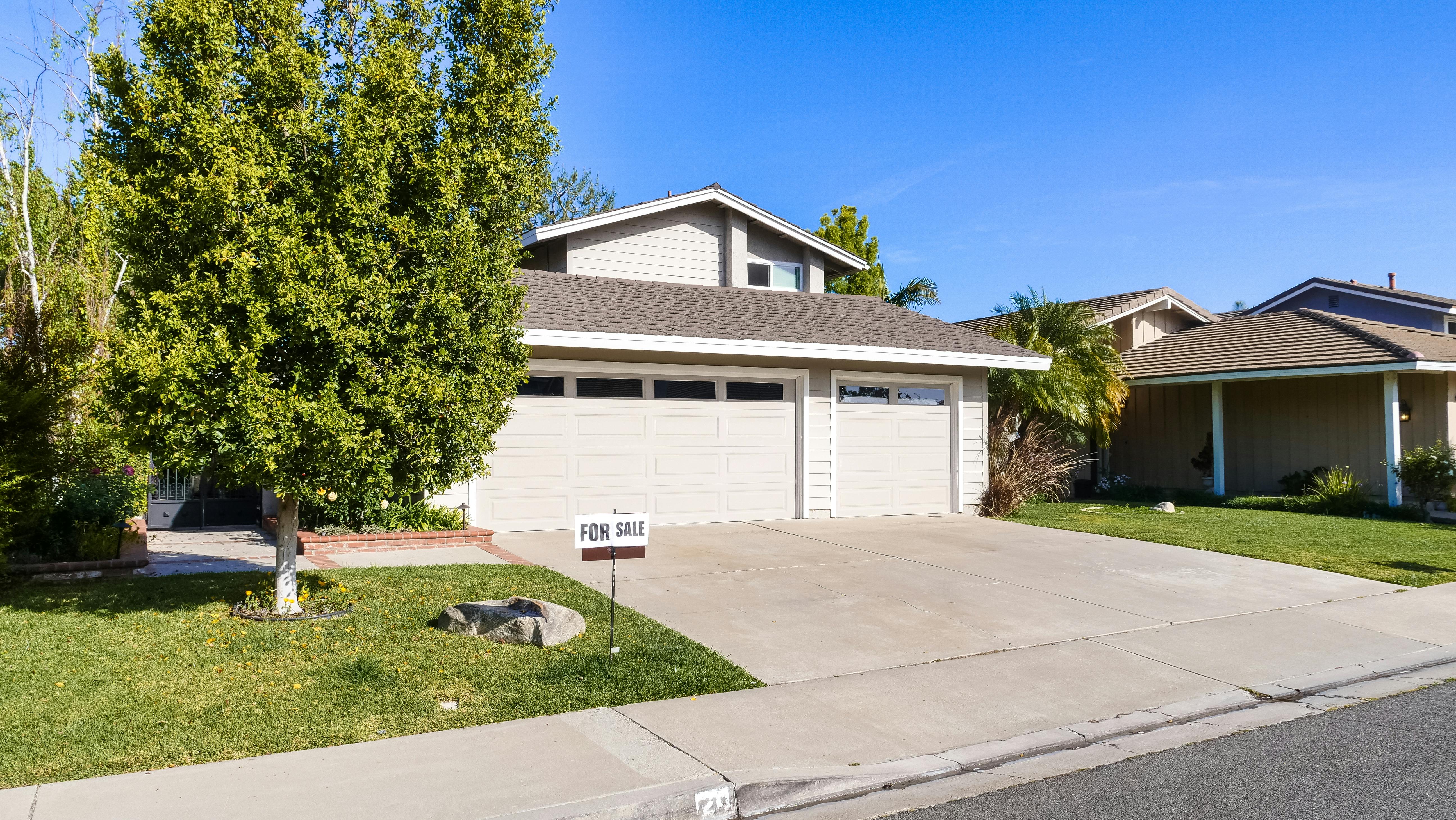
Half of all rental scam reports filed with the Federal Trade Commission (FTC) involved legitimate property listings hijacked by criminals who simply changed the contact information.
That stunning fact reveals the most common trick in the modern rental market. Scammers are not just inventing fake apartments; they are stealing the details of real ones to fool you. They take professional photos, copy the description, and post the ad on popular sites like Facebook or Craigslist.
The only thing they change is the email or phone number, redirecting your hopeful inquiry straight into their trap.
The rental market is competitive. High demand and fast-moving listings create an environment where it feels like you have to act immediately or lose out. Scammers exploit this sense of urgency.
They create pressure to get you to send money for a deposit, application fee, or first month’s rent before you have a chance to verify anything. This guide will give you the tools to spot their tactics, protect your money, and secure a real home.
Who this guide is for
- Renters actively searching for apartments or houses on social media and listing websites.
- People moving to a new city who cannot easily view properties in person.
- Students and budget-conscious renters looking for deals in high-cost areas.
- Renters with past credit challenges who may feel pressured to accept the first available offer.
Red Flag #1: The Price and Photos Seem Too Good to Be True
Scammers know that a great deal is the most effective bait. Their primary strategy is to list a desirable property for a price that is significantly below the local average. If you see a two-bedroom apartment with a pool in a popular neighborhood listed for the price of a small studio, your internal alarm should sound.
Data from 2025 shows that scammers often price their phantom rentals 40% below the market rate to attract immediate attention. They are targeting your hope for a lucky break. Before you even reach out, do your own research.
Use sites like Zillow or Zumper to check the average rent for similar units in that exact area. If the listing is an outlier by a wide margin, it is almost certainly fraudulent.
Photos are another key part of the deception. Scammers lift high-quality, professional images from legitimate real estate sites, vacation rental platforms like Airbnb, or old MLS listings.
Many renters mistakenly believe that unique or professional photos prove an ad is real. In reality, it is a common tactic.
Here are the warning signs to look for in the listing’s visuals and details:
Stolen Photos: Images may have watermarks from a real estate company or look like they belong in a magazine. Scammers steal the best photos they can find to make the fake property look irresistible.
Vague Address: The listing might only mention a neighborhood or a cross-street, but not a specific street number. This prevents you from looking up the property yourself. A real landlord or agent has no reason to hide the location.
Mismatched Details: The description might mention hardwood floors, but the pictures show carpet. Or the ad boasts about a new kitchen, but the photos show dated appliances. These inconsistencies happen when scammers sloppily copy and paste from different sources.
Insider Tip: Become a Digital Detective
Before contacting the person who posted the ad, use free online tools to verify the listing. This simple, two-step process can uncover over 80% of hijacked listings.
Use Reverse Image Search: Save the photos from the listing and upload them to a tool like Google Lens. The search results may show the same photos on a different real estate site under a different agent’s name, or on an old listing from years ago.
Check Google Street View: If an address is provided, paste it into Google Maps and use the Street View feature. Does the building exterior match the photos in the listing? If it looks completely different, you have found a scam.
Red Flag #2: You Are Not Allowed to See the Property
The single most important rule of renting is this: never, ever rent a property you have not seen in person. Scammers will do everything they can to prevent you from getting a tour. This is because the property they are advertising is either occupied by someone else or doesn't exist at all.
They have a long list of excuses to explain why they cannot meet you or show you the unit. These stories are designed to build sympathy and trust while creating a false sense of urgency.
| Common Scammer Excuse | The Reality of the Scam |
|---|---|
| "I'm out of the country for work/military/missionary trip." | This classic excuse explains why they can't meet in person and pressures you to handle everything remotely. |
| "The current tenant is sick and cannot be disturbed." | This tactic creates a believable delay while they push you to pay a deposit to "hold" the unit until it's "available." |
| "I've had so many applicants. Send the deposit now to secure it." | This is a high-pressure sales tactic. Legitimate landlords have a formal screening process; they don't award apartments based on who pays first. |
| "I'll mail you the keys after you wire the security deposit." | You will never receive any keys. Once you send money via a wire transfer or cash app, it is gone forever and is nearly impossible to trace. |
A legitimate landlord or property manager will always arrange for you to see the property. If they are out of state, they will have a local agent, friend, or current tenant show you the unit. Refusing an in-person or live video tour is a non-negotiable dealbreaker.
Do not accept recorded video tours, as they can be easily faked or stolen from other listings. Insist on a walk-through, either with the owner, their representative, or via a live video call where you can direct them where to point the camera.
Red Flag #3: They Demand Upfront Fees and Sensitive Information
The final stage of a rental scam involves the payment process. A scammer’s goal is to get your money or your personal data as quickly as possible. This often bypasses the standard, legal application process entirely.
Watch out for demands for payment through untraceable methods. Real landlords use secure online portals or accept checks for application fees and deposits.
Scammers, on the other hand, will insist on methods that are difficult to reverse or track. You should immediately stop communication if the "landlord" asks for money via:
- Wire transfer (like Western Union or MoneyGram)
- Peer-to-peer payment apps (like Zelle, Venmo, or Cash App)
- Gift cards
- Cryptocurrency
These methods are like sending cash. Once the money is gone, you have no recourse.
Another common trap is the fake credit check. Scammers create fraudulent websites that look like legitimate credit screening services.
They may ask for a small fee, like $1, to run your credit. In reality, the site is designed to steal your credit card information or charge you for a bogus subscription service.
Furthermore, be protective of your personal information. You should never be asked to provide sensitive data like your Social Security Number (SSN), bank account details, or a copy of your passport before you have seen the property and decided to apply.
In many states, it is illegal for a landlord to charge any fee until after your application has been accepted.
| Legitimate Application Process | Scam Application Process |
|---|---|
| A formal application is provided after you tour the property. | You are asked to fill out an informal application in an email or text. |
| A reasonable application fee is paid via a secure portal or check. | Demands a "holding fee" or deposit via a cash app before you see the unit. |
| Credit checks are run through a trusted service like TransUnion SmartMove. | Asks you to click a strange link for a "$1 credit check" or to send a screenshot of your credit score. |
| Sensitive information (like SSN) is requested on a secure application form for official screening. | Demands your SSN, passport photo, and bank details upfront via email. |
Legitimate landlords follow procedures that comply with the Fair Credit Reporting Act (FCRA). They use standardized portals for screening, which protects both you and them. A scammer’s process will feel unprofessional, rushed, and focused only on getting your money or data immediately.
Frequently Asked Questions
QWhere are rental scams most common?
According to FTC data from mid-2024 to mid-2025, social media is the primary vector. About 50% of rental scam complaints originated on Facebook, with another 16% coming from Craigslist.
QIs it safe to rent a place without seeing it if I'm moving from another state?
No. It is a major risk. If you cannot visit in person, arrange for a trusted friend, family member, or a hired relocation agent in the new city to tour the property on your behalf. At a minimum, insist on a live, interactive video tour.
QWhat if the landlord says they need a "holding deposit" to take the listing down?
This is a high-pressure tactic and a huge red flag. Legitimate landlords will have you complete an application and sign a lease before you pay a security deposit. Never pay to "hold" a property you have not seen and been approved for.
QCan I trust a listing with lots of great reviews?
Not always. Scammers can create fake profiles and post fake reviews to make their listings seem more credible. Rely on your own verification steps, not on anonymous online comments.
QHow can I find out who actually owns the property?
You can often look up property ownership records online through the local county's tax assessor or property appraiser website. A quick search for the address should tell you the name of the current owner, which you can then cross-reference with the person you are speaking to.
QWhat is the most common trick scammers use?
The most common scheme is hijacking a real, legitimate rental ad. Scammers copy the photos and description from a property that is truly for rent, but they change the contact information to their own. This makes the fake ad look very convincing.
QWhat should I do if I realize I've been scammed?
If you sent money, contact your bank or the payment app immediately to see if the transaction can be stopped or reversed. Report the scam to the platform where you found the ad (Facebook, Zillow, etc.). Then, file an official report with the Federal Trade Commission (FTC) and your local police department.
What to do this week
- Pick one rental listing you are interested in and use Google’s reverse image search on its photos to see where else they appear online.
- Find the address for a potential rental and use Google Street View to confirm that the exterior of the property matches the pictures in the ad.
- Identify the market rate for a rental in your desired neighborhood by comparing at least three similar listings on a major platform like Zillow or Zumper.
- Bookmark the FTC’s rental scam resource page so you have official guidance readily available during your search.
Essential Links
| URL | Description |
|---|---|
| https://consumer.ftc.gov/articles/rental-listing-scams | The FTC's official guide on how rental scams work, with detailed steps on how to avoid and report them. |
| https://www.hud.gov/topics/rental_assistance/tenantrights | The Department of Housing and Urban Development (HUD) outlines your rights as a tenant and how to report fraud. |
| https://www.bbb.org/all/spot-a-scam/rental-scams | The Better Business Bureau provides a scam tracker with real-time reports and user complaints about fraudulent rental listings. |
| https://www.consumerfinance.gov/consumer-tools/renters/ | The Consumer Financial Protection Bureau (CFPB) offers tools and information on application fees and your credit reporting rights. |
| https://www.usa.gov/housing-help | A central government portal that connects you with local housing authorities for verified listings and assistance. |
Finding a new place to live is stressful enough without the added fear of being scammed. By learning to recognize these red flags, you can move past the fake listings and focus your energy on finding a real home. Always trust your instincts. If a deal feels rushed, unprofessional, or too good to be true, it is. Slow down, verify everything, and never send money for a property you have not seen.